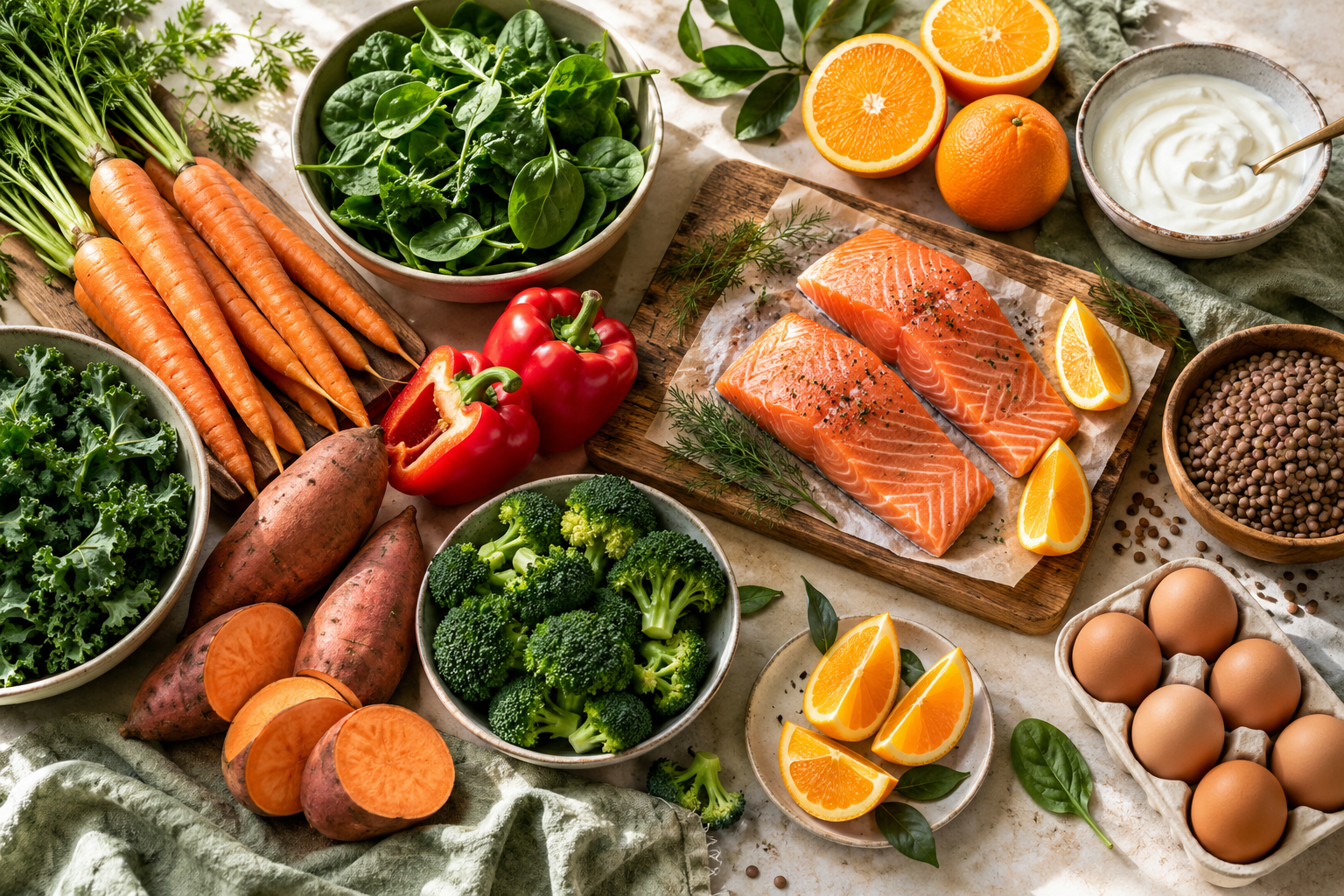
Food can provide many nutrients your body needs. A varied diet also brings fiber, protein and other useful compounds. Supplements can still be appropriate for some people, and certain nutrients are harder to obtain from food alone. Here are everyday ways to build a nutrient-rich plate.
Vitamin A: Vision and immune function
What it does: Helps you see in low light and supports normal immune function.
Food sources: Carrots, spinach (palak), sweet potatoes and egg yolks. Cooked leafy greens and orange vegetables provide carotenoids your body can turn into vitamin A.
Vitamin D: Bone health
What it does: Helps the body absorb calcium and maintain strong bones.
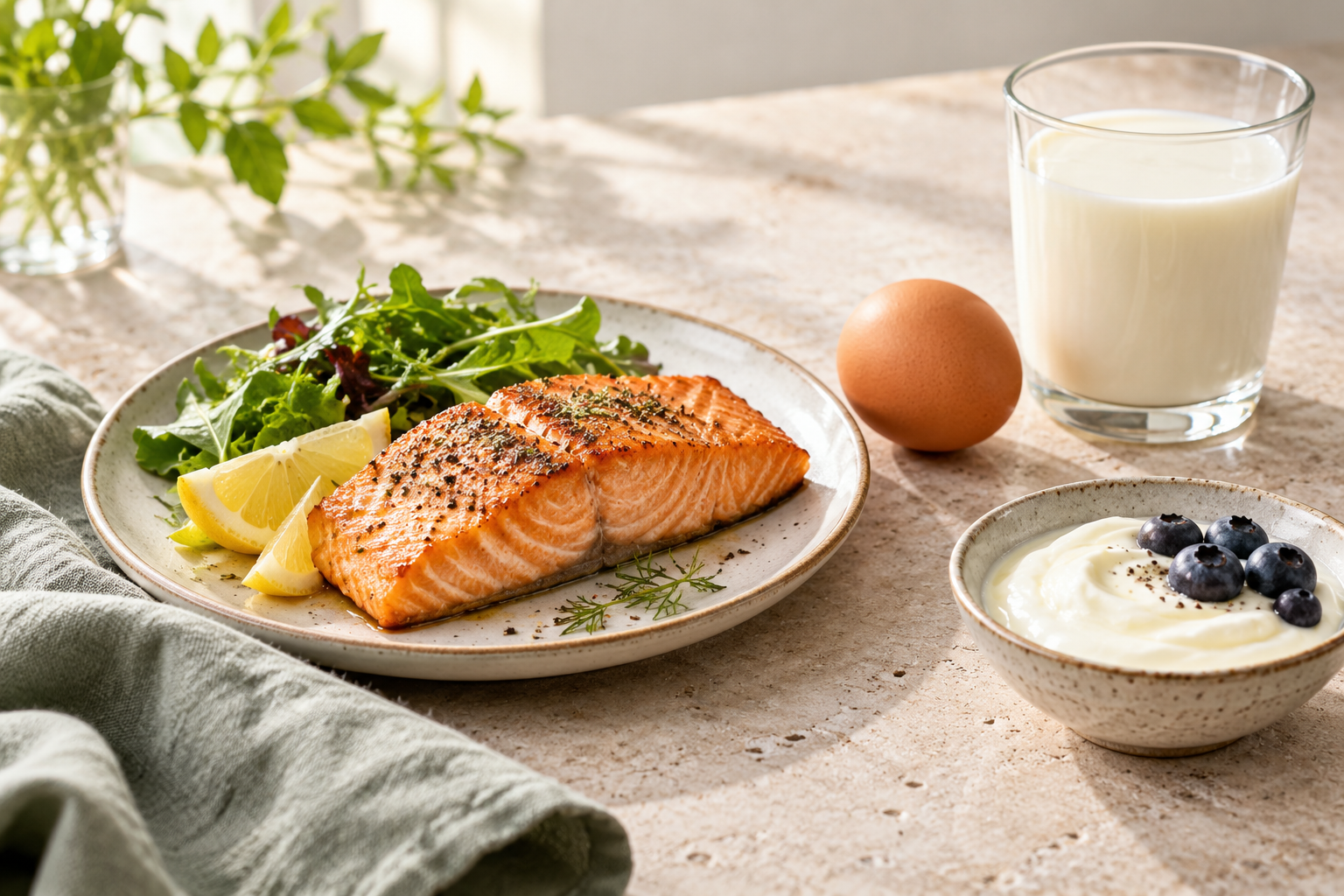
Food sources: Egg yolks and oily fish provide some vitamin D. Salmon is one example; other fish vary in vitamin D content. Ordinary unfortified milk and yogurt are not dependable sources of vitamin D. Eggs contain only a small amount, so eating eggs alone may not meet your needs. Check the label to see whether milk has added vitamin D. Sun exposure also contributes, but there is no single safe number of minutes that works for everyone.
Vitamin B12: Nerves and red blood cells
What it does: Helps nerves work properly and the body make healthy red blood cells.
Everyday sources: Eggs, milk, yogurt, chicken, meat and fish. Plant foods such as lentils do not naturally provide reliable B12. Adults generally need 2.4 micrograms (mcg) daily from their total diet, and one egg by itself is not enough.
Vitamin C: Healing and plant-iron absorption
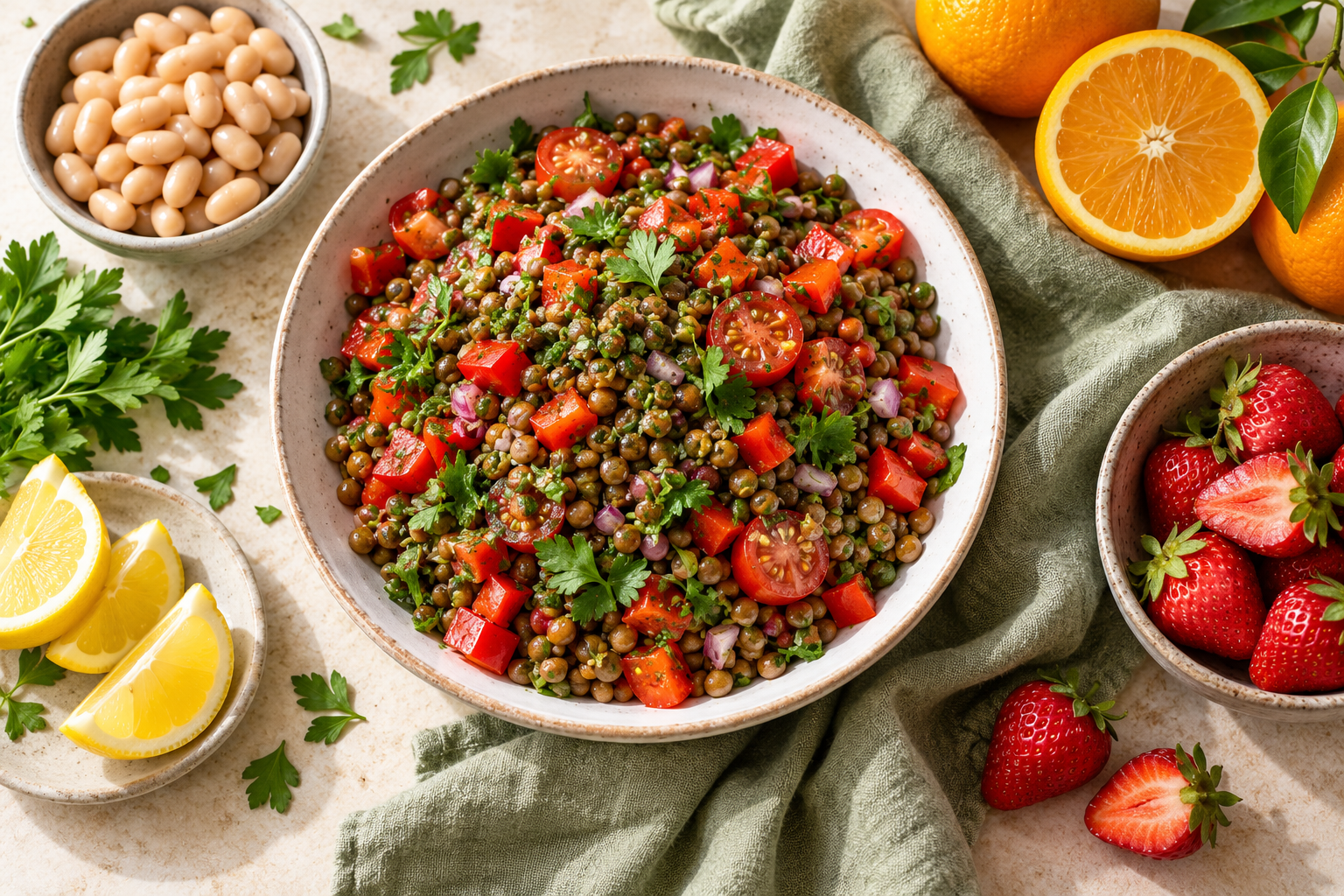
What it does: Helps make collagen for tissues and improves absorption of iron from lentils and beans.
Food sources: Guava, kinnow and other citrus fruit, tomatoes, lemon and raw bell peppers. Vitamin C is not a guarantee against colds.
Iron: Oxygen transport
What it does: Helps make hemoglobin, which carries oxygen through the blood. Iron is a mineral, not a vitamin.
Food sources: Meat provides iron that the body absorbs more readily; beef and liver are concentrated animal sources, but liver should be avoided during pregnancy because it is very high in vitamin A. Daal, chana and beans provide plant iron. Half a cup of cooked lentils provides about 3 mg of iron, though the amount absorbed varies. Chicken has some iron but generally less than red meat. Spinach contributes iron, but it is not a reliable sole source.
Especially for women: Women aged 19–50 generally need 18 mg of iron per day; pregnancy raises this to 27 mg. Heavy periods increase the risk of deficiency. A varied diet helps, but food alone may not correct iron-deficiency anemia. If you have heavy bleeding, unusual tiredness or suspected anemia, speak with a clinician about a blood count and ferritin test before taking iron tablets. Pregnancy needs individual care.
How much egg, fish or meat?
There is no fixed daily number of eggs or grams of meat that everyone must eat for these vitamins. As a simple portion guide, one egg counts as one protein-food serving. Around 85–115 g of cooked fish or meat is a useful meal-sized portion for many adults, but the right total depends on age, body size, activity and the rest of the diet. Fish can be planned as about two meals a week; choose lower-mercury varieties, especially during pregnancy. Other meals can include daal, chana, eggs or yogurt. None of these portions alone guarantees that all vitamin and iron requirements are met.
Put it together
Across the day, combine different sources: eggs or yogurt, a serving of daal or chana with lemon and tomato, cooked greens, fruit, and fish or meat if you eat them. Change the combinations to suit your routine. This is an example, not a prescribed diet. People who are pregnant, vegan, anemic or managing a medical condition may need tailored advice.